

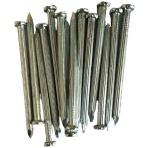

Long Description of 2-Inch Steel Nails
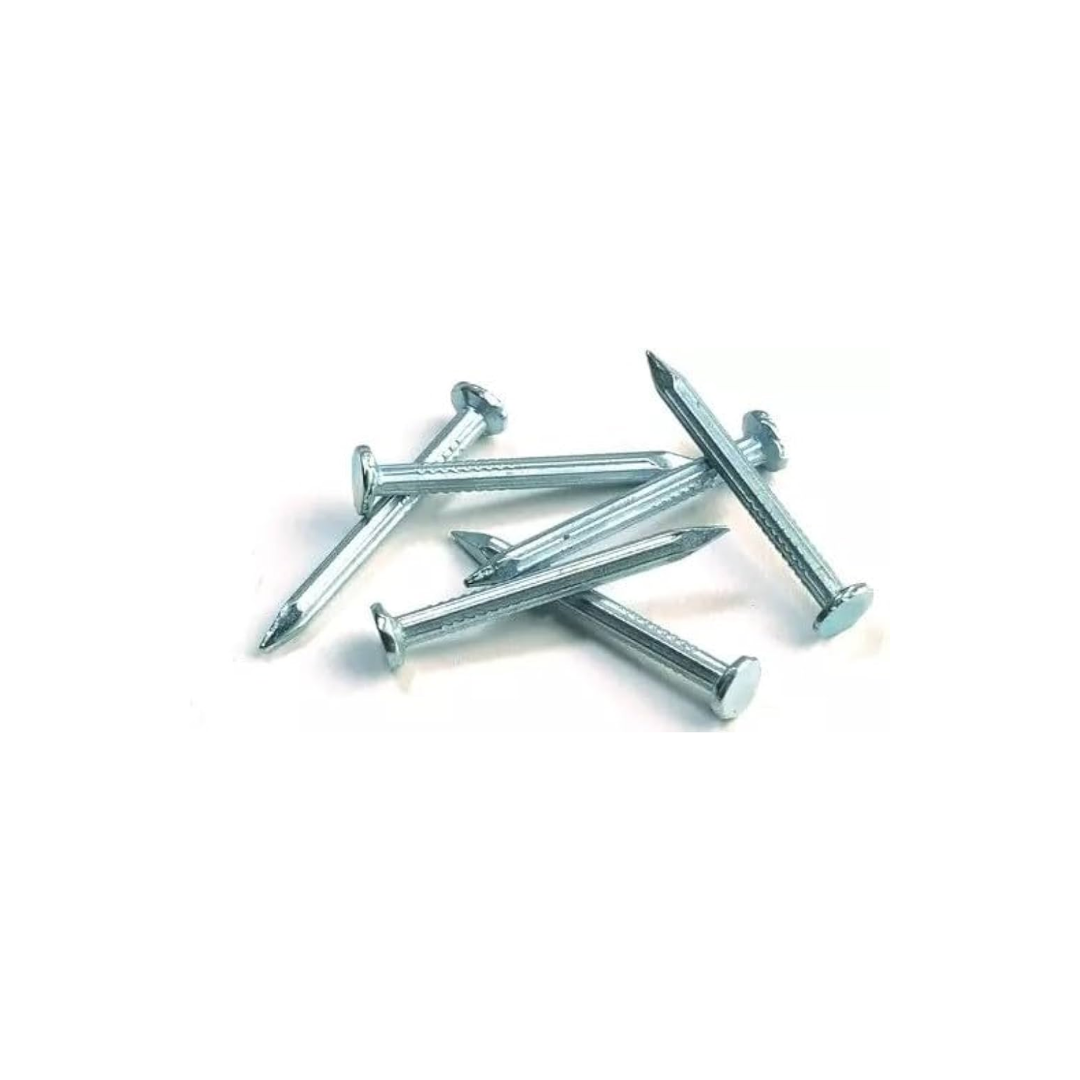
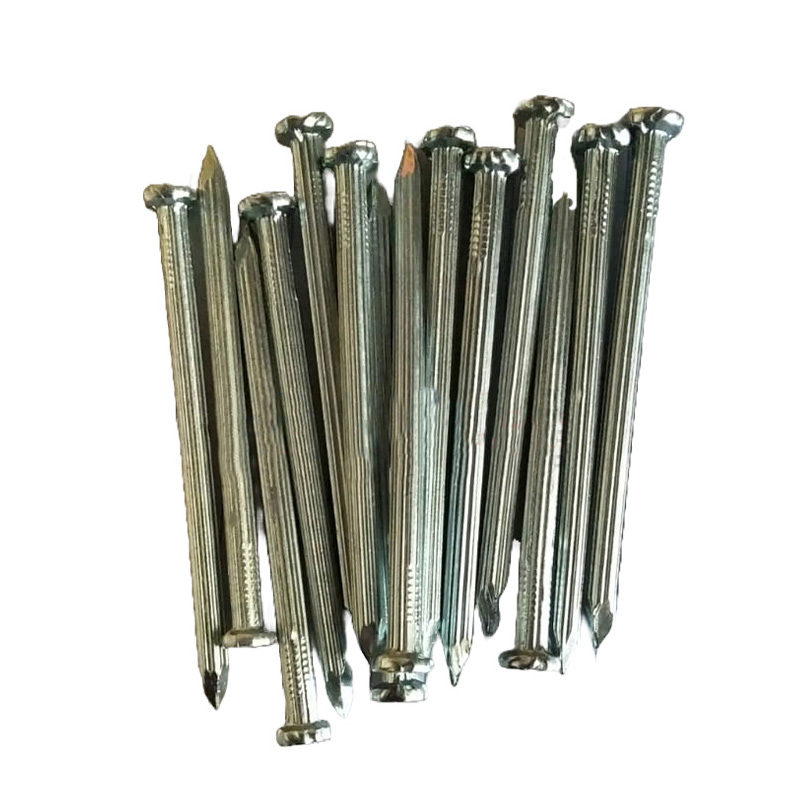
A 2-inch steel nail is a widely used fastener in carpentry, construction, cabinetry, furniture-making, and related trades. Measuring about 2 inches (≈ 50 mm) from its sharp, pointed tip to the flat or slightly rounded head, it offers a balance of penetration depth and holding power without extending excessively through many materials. The steel construction ensures strength and toughness, while various finishes and design features adapt the nail to different environments and applications.
Material & Core Properties
The core material is steel, which brings high tensile strength, durability, and cost-effectiveness. The carbon content of the steel determines hardness: higher carbon steels resist bending and deformation better, but may be more prone to brittleness. The nail’s shank (the shaft), point, and head must be properly forged or cut so that the point can penetrate without splitting the wood, and the head can withstand hammering or mechanical driving without mushrooming excessively.
Finishes, Coatings & Corrosion Resistance
Since steel will rust when exposed to moisture and oxygen, many 2-inch steel nails are treated or coated:
- Galvanized steel: A zinc coating (either hot-dip or electro-galvanized) provides a sacrificial layer that slows corrosion. For outdoor, moist, or acidic environments, hot-dipped galvanization tends to offer thicker protection.
- Stainless steel: Grades like 304 or 316 have chromium (often with nickel and sometimes molybdenum) which form a passive chromium-oxide film on the surface. This layer resists rust and self-repairs if scratched. High‐grade stainless steel is especially good in marine, coastal, or high-humidity environments.
- Other coatings: Zinc plating, phosphate, or cement coatings may be used to improve holding power or to give modest corrosion resistance. But such coatings are generally thinner or less durable than full galvanization or stainless steel.
Types & Design Variations
Even among 2-inch steel nails, there are variations that affect performance:
- Shank design: Smooth shanks vs ring or ribbed shanks. Ring/ribbed shanks resist pull-out better, particularly in soft woods or when subjected to vibration or movement.
- Point type: Sharp (diamond) or tapered points are standard; blunt or specialized tips for pre-drilling or minimizing wood splitting.
- Head size and shape: Flat heads are common; smaller heads for finishing or trim work (less visible); large heads for structural or roofing applications. Sometimes countersunk or oval/rounded heads are used where appearance matters.
Applications & Uses
2-inch steel nails have a broad range of uses, some of which include:
- Attaching trim, baseboards, mouldings to walls or studs
- Fastening sheathing, siding or paneling to framing
- Light framing work or non-structural joinery where longer nails aren’t necessary
- Picture hanging, decorative fittings (if the nail is finishing type)
- Roofing applications (if properly coated) where penetration into the sheathing or substrate is required but without excessive protrusion past the underside. (IKO Global)
Performance, Strength & Limitations
The holding power of a 2-inch steel nail depends on the wood species (density, hardness), moisture content, whether the shank has rings/ribs, the thickness of any coating, and whether the nail is properly driven (e.g., driven straight, not at an angle, countersunk if needed).
Limitations can include:
- Risk of wood splitting, especially near edges or in hard wood, if no pilot hole is used.
- Rust or corrosion over time, particularly in untreated steel or in harsh environments; even galvanized nails eventually degrade if coating is compromised.
- Bending under load if the nail is too thin or work involves heavy stress.
Best Practices & Considerations
To get optimal performance from 2-inch steel nails:
- Choose the correct finish for the environment (stainless or hot-dipped galvanised for outdoor / moist areas).
- Use ring/ribbed shanks where pull-out resistance is important.
- Pre-drill or pilot hole when working near edges or with hard woods to avoid splitting.
- Countersink heads when desired for appearance, filling or painting.
- Avoid mixing metals that could cause galvanic corrosion (e.g., steel nails near copper flashing) unless coatings prevent it.





Reviews
There are no reviews yet.